

Smart gardening is an easy way to get a great looking yard while helping to keep the County a nice place to live. Yard waste disposed in landfills diminishes their capacity and creates methane.
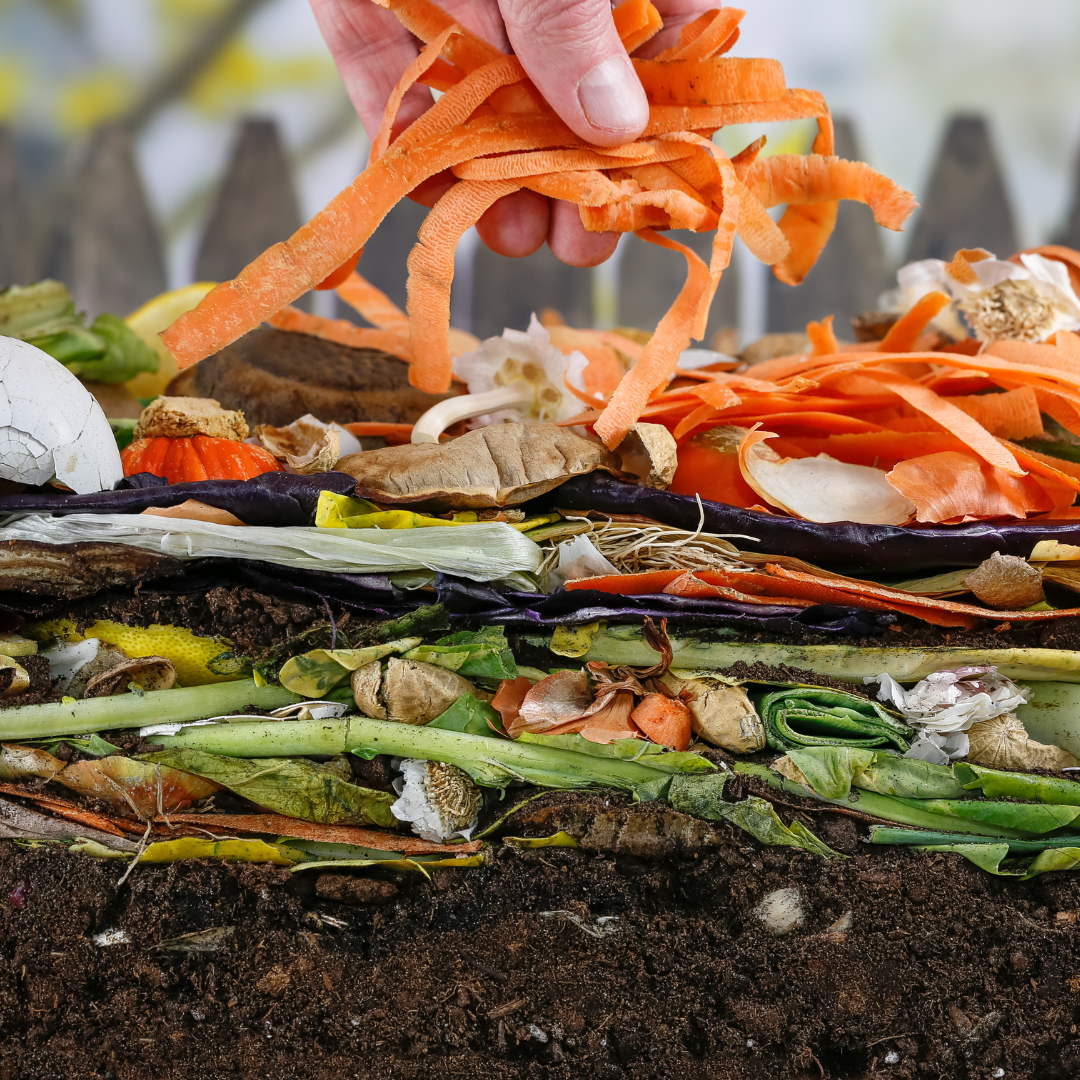
Home-made compost is a valuable resource for nourishing your yard. When you practice smart gardening, you conserve water, improve your home landscape, recycle organic waste, and help preserve the environment. These simple practices do not take much time, and help to foster a healthy, beautiful lawn and garden.
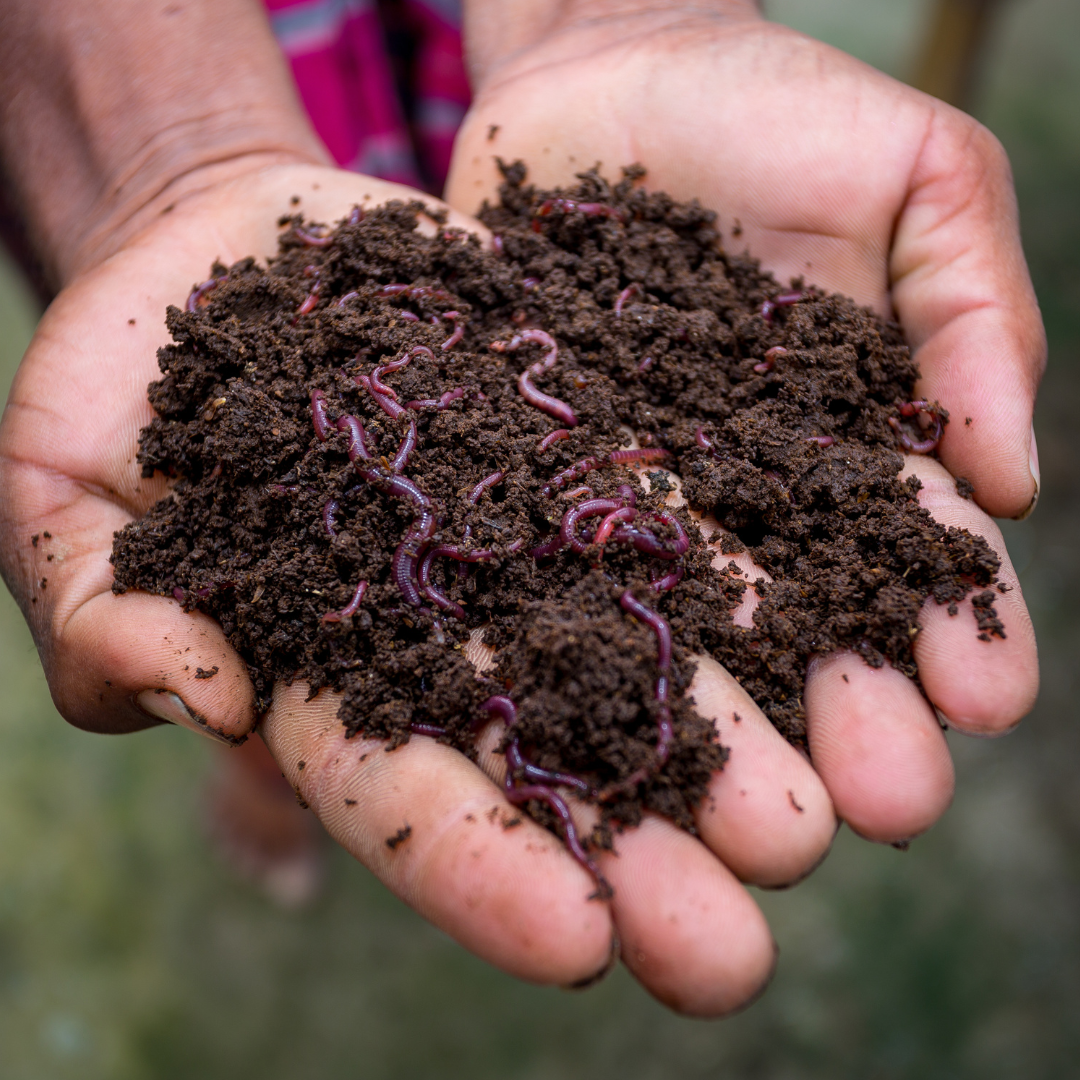
To learn about backyard and worm composting, water-wise gardening, grasscycling and other techniques, attend our webinars or workshops. Below are videos to view for convenience, but we encourage you to attend a live webinar to ask questions and purchase compost bins.
Upcoming Events
Resources
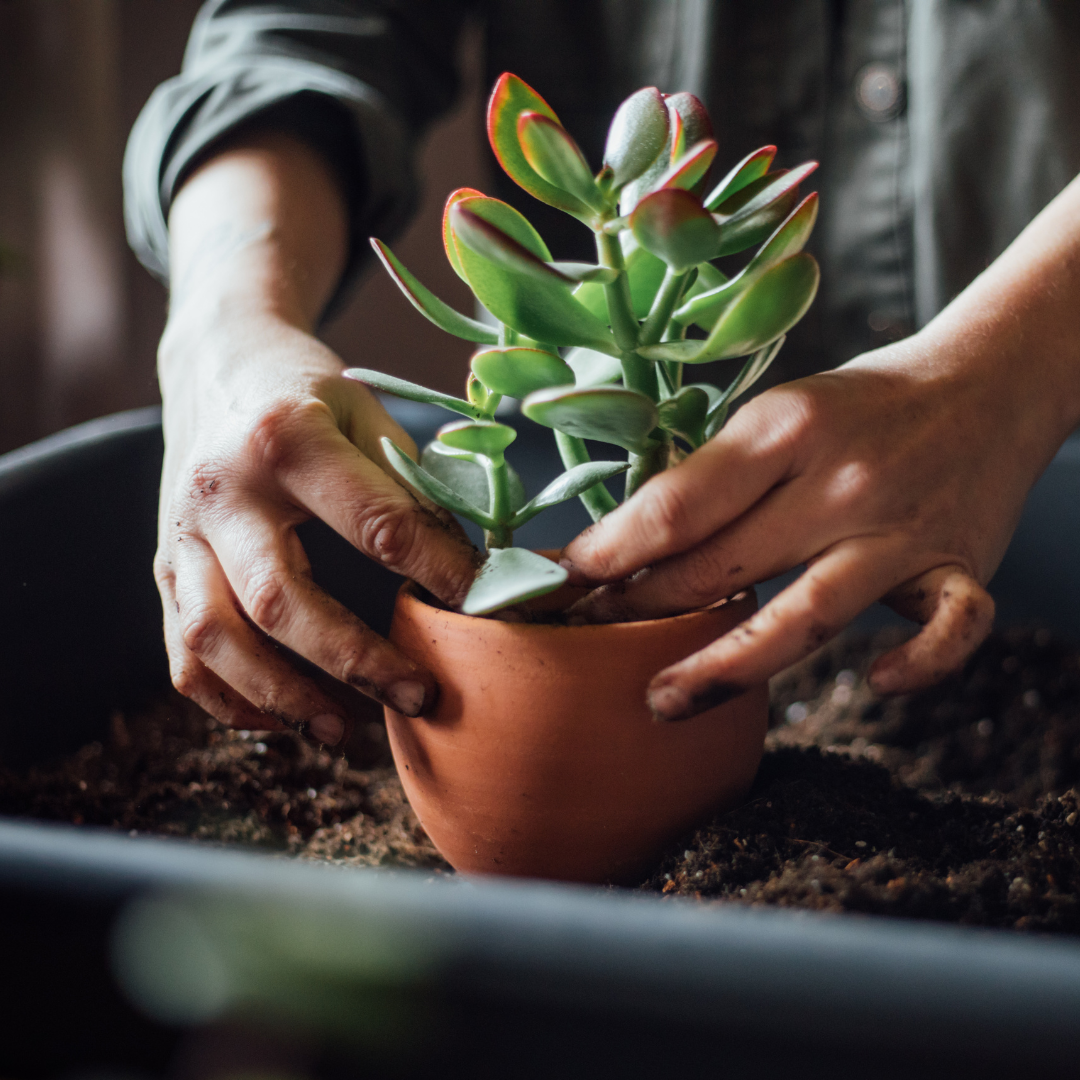
Smart Gardening Techniques
Quick Tips
For your continued education, below are short videos on sustainable gardening. For more in-depth instruction on our core subjects, click on Instruction Videos.